Sustainability

Educating the next generation
Driven by Environmental Responsibility
Christ Church aims to find the balance between resource usage, the direction of investments, technological development and institutional change. This is so that they co-exist in harmony and enhance the current and future potential of students, staff, community and those around the globe to meet needs and aspirations.
Geothermal Aquatic Precinct
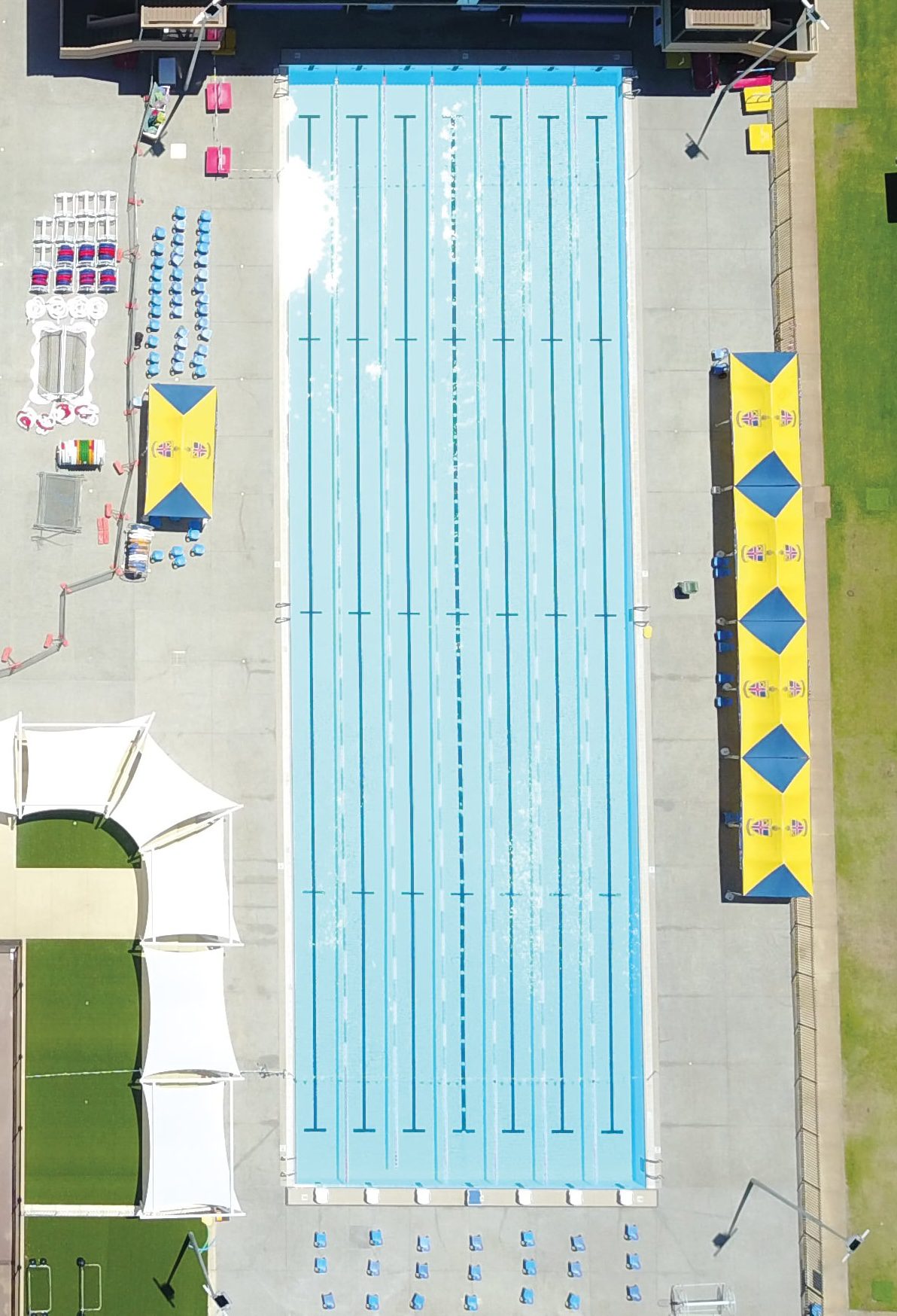
The swimming pools in the Aquatic Precinct are geothermally heated, using natural heat from beneath the earth’s surface to maintain a consistent water temperature year-round. This sustainable system significantly reduces reliance on fossil fuels, lowers greenhouse gas emissions, and supports the precinct’s commitment to environmentally responsible design and long-term energy efficiency.
Solar Installation and Metering
Many school buildings have solar panels installed on their rooftops, harnessing renewable energy from the sun to power classrooms and facilities. These solar systems help reduce electricity costs, lower the School’s carbon footprint, and promote sustainability. In addition to environmental benefits, they also serve as a valuable educational tool, allowing students to learn about clean energy and its impact on the future.
Plastic Reduction Throughout Campus
The School promotes environmental responsibility by encouraging the recycling of plastics through clearly marked bins placed around the campus. In the canteen, sustainable cutlery made from biodegradable or reusable materials is used instead of single-use plastic utensils. These initiatives help reduce waste, conserve resources, and support a more eco-friendly school environment.
Building Management System
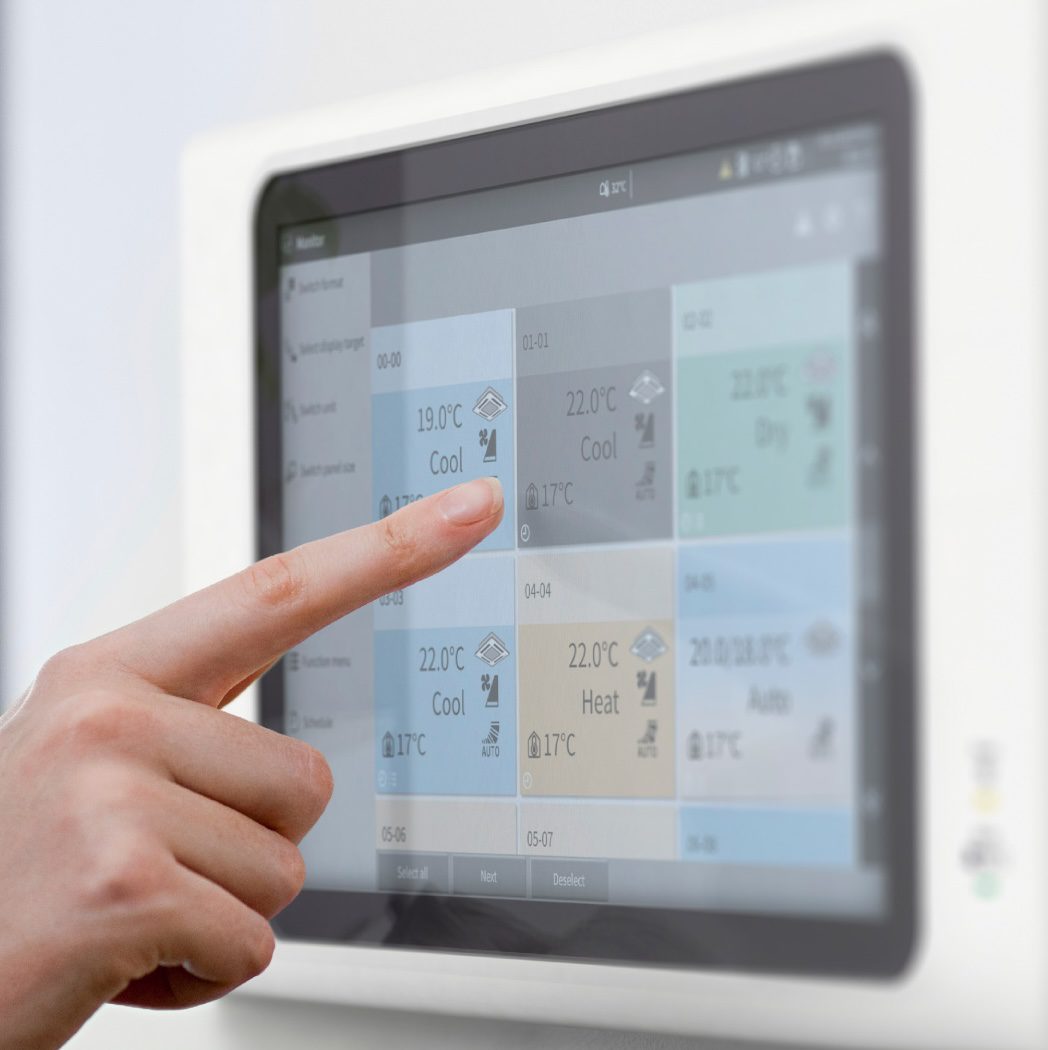
By installing high-efficiency air conditioning and advanced lighting systems, the School is actively advocating for sustainability. These upgrades reduce energy consumption, lower greenhouse gas emissions, and create a more comfortable learning environment. It reflects the School’s commitment to responsible resource use and long-term environmental stewardship.


Geothermal Aquatic Precinct
The swimming pools in the Aquatic Precinct are geothermally heated, using natural heat from beneath the earth’s surface to maintain a consistent water temperature year-round. This sustainable system significantly reduces reliance on fossil fuels, lowers greenhouse gas emissions, and supports the precinct’s commitment to environmentally responsible design and long-term energy efficiency.
Solar Installation and Metering
Many school buildings have solar panels installed on their rooftops, harnessing renewable energy from the sun to power classrooms and facilities. These solar systems help reduce electricity costs, lower the School’s carbon footprint, and promote sustainability. In addition to environmental benefits, they also serve as a valuable educational tool, allowing students to learn about clean energy and its impact on the future.
Plastic Reduction Throughout Campus
The School promotes environmental responsibility by encouraging the recycling of plastics through clearly marked bins placed around the campus. In the canteen, sustainable cutlery made from biodegradable or reusable materials is used instead of single-use plastic utensils. These initiatives help reduce waste, conserve resources, and support a more eco-friendly school environment.
Building Management System
By installing high-efficiency air conditioning and advanced lighting systems, the School is actively advocating for sustainability. These upgrades reduce energy consumption, lower greenhouse gas emissions, and create a more comfortable learning environment. It reflects the School’s commitment to responsible resource use and long-term environmental stewardship.