History of the School

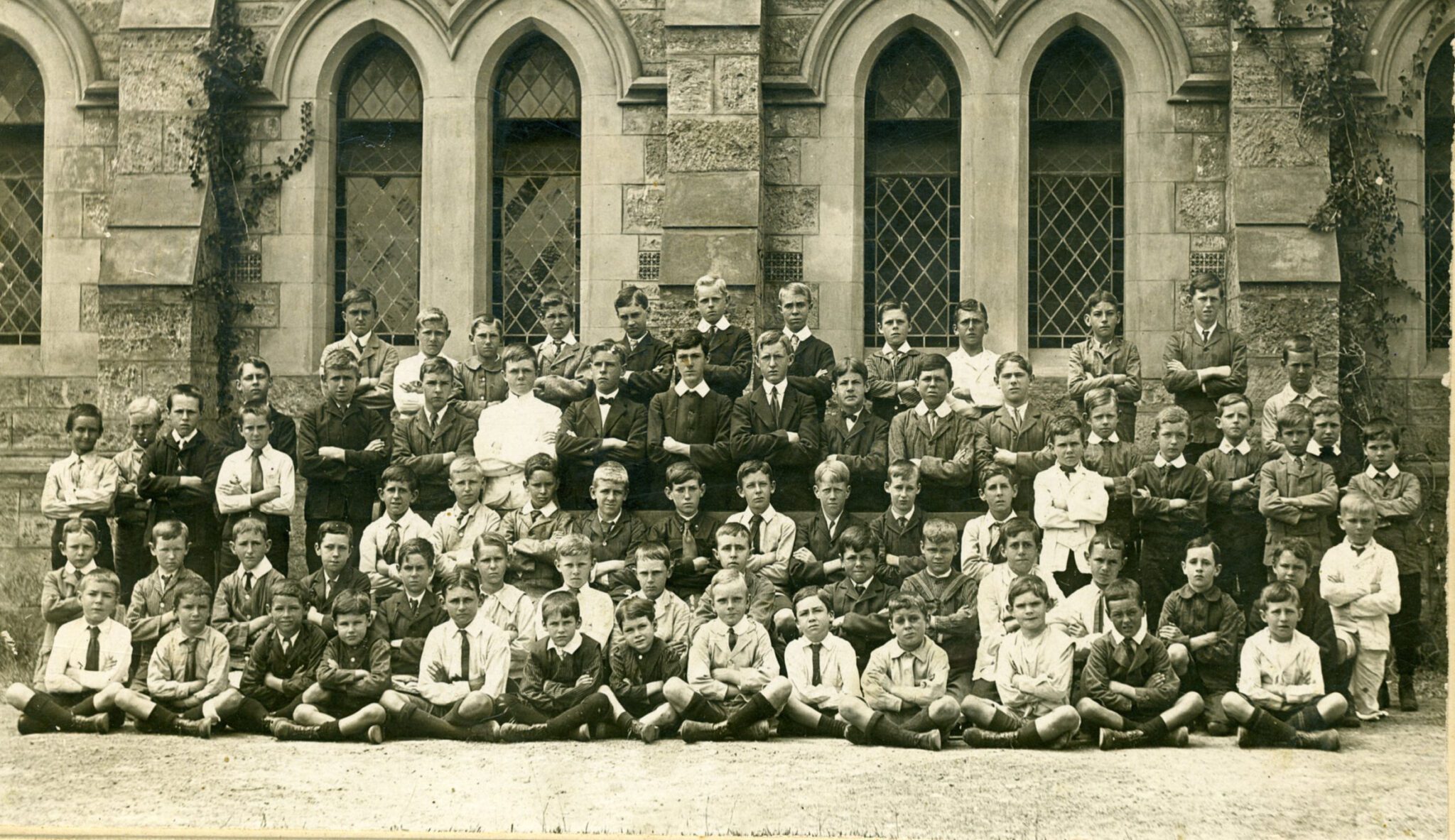
Christ Church whole school photo c1915

Deus Dux Doctrina Lux

The Foundation of Christ Church Grammar School

Christ Church Grammar School opened its doors on 7 February 1910, originally known as Christ Church Preparatory School. Founded by Canon W J McClemans, Rector of Christ Church Claremont, the School was established while he simultaneously fulfilled his parish responsibilities. Canon McClemans championed the need for an Anglican school in Perth’s growing western suburbs, recognising Claremont as the ideal setting. Above all, he envisioned a school with a difference – one that welcomed all boys and celebrated each student as an individual.

Our History

  • 1910 to 1915

    Rev Canon W J McClemans

    Christ Church Grammar School was founded by Canon W J McClemans with the goal of producing “men of light and learning” (Deus Dux Doctrina Lux). The School opened with nine-day boys in a single classroom at Queenslea Drive and Stirling Highway. As interest grew, two more classrooms were added and land up to College Avenue was purchased. Requests for boarding soon followed. Early boarders lived in the rectory with the McClemans family, but in 1914, a larger residence called Lucknow was leased to house them. That same year, Governor Sir H Barron laid the foundation stone for a new boarding house. School House opened in 1915, allowing boys as young as six to board.

  • 1916 to 1921

    S C Noake

    After McClemans’ departure, S C Noake became Headmaster and guided the School through critical growth. In 1917, Christ Church advanced from a Preparatory School to one offering university junior examinations. That year saw the founding of the Old Boys’ Association, the first edition of The Mitre, and the establishment of a library. The main oval was levelled in 1918, and in 1920 the School acquired Nanutarra, a riverfront boarding house. However, governance changes in 1917 placed Christ Church under the same council as Guildford Grammar School without representation. The council later considered closing the School, but a group of parents intervened, keeping it open.

  • 1922

    H S Thompson

    In 1922, H S Thompson became Headmaster and worked to boost enrolments, which held steady at 94 boys. The School struggled to retain students in the senior years, with many transferring to complete final examinations elsewhere. Despite his short tenure, Thompson proposed several campus improvements, including a gymnasium and expanded boarding facilities. He also introduced student activities such as a scout troop and end-of-term excursions, and led fundraising efforts for a school boatshed.

  • 1923 to 1932

    Rev Canon L W Parry

    Rev Canon L W Parry initiated the design of the school badge, which was finalised by Miss F C  Ross with support from the Royal Society of British Architects WA. In 1924, due to limited financial backing, Parry personally leased the School until 1929. Financial difficulties during 1926 to 1927 prompted him to ask the council to take control, which it did in 1930. The School was renamed Christ Church Grammar School, and the council began funding improvements. However, the Great Depression soon impacted finances, leading to declining enrolments, salary cuts, and a proposal to end boarding.

  • 1933 to 1942

    B T Walters

    B T Walters kept the boarding program alive by managing it privately, even as enrolments fell to just 78. By 1939, enrolments had nearly tripled, reaching close to 200. During World War II, the School faced financial difficulties, staff shortages, and loss of facilities, including Queenslea House, which was converted into nurses’ quarters.

  • 1943 to 1947

    Rev L R D B Jupp

    An alumni of the School, Rev L R D B Jupp returned to lead Christ Church during the war years. With resources stretched, the school grounds deteriorated. By 1945, the Synod took renewed interest in Church of England schools and updated legislation to support their future. Jupp helped steer the School through this difficult period until his departure in 1947.

  • 1948 to 1949

    A Todd

    Mr A Todd became Headmaster in 1948 and began improving the school grounds. That year, two old boys were appointed to the school council, giving alumni a voice in school governance. Unfortunately, Todd became seriously ill and passed away in 1949, leading to a temporary leadership gap.

  • 1950

    Rev J F A Dobson (Acting)

    Following Todd’s passing, Reverend Dobson and Archdeacon Parry jointly led the School through 1950. This year marked a major turning point, as an Archbishop’s commission recommended dissolving the shared council that oversaw Christ Church Grammar School, Guildford Grammar School, and St Hilda’s Anglican School for Girls. It advised replacing it with separate councils for each school, and these reforms were implemented in 1951, giving Christ Church its own independent governance.

  • 1951 to 1981

    P M Moyes

    Under the leadership of P M Moyes, the School experienced remarkable growth. Enrolments rose from 250 to 850, and significant new facilities were constructed, including science wings, Memorial Hall, tennis courts, a library, and boarding properties. The School joined the PSA in 1956, won its first Government Exhibition in 1957, Head of the River in 1958, and produced a Rhodes Scholar in 1967. That year, Moyes launched a modernisation plan that included a new chapel and advanced teaching spaces. He also introduced the Educational Support Unit to ensure inclusive education for students with disabilities.

  • 1982 to 1987

    A J de Hill

    A J de V Hill’s tenure saw key academic and pastoral care reforms. The School strengthened its music program through a partnership with St George’s Cathedral and revitalised its outdoor education program at Kooringal. Foreign language study became compulsory in Years 1 to 8. Major facility upgrades included a new computing centre, music school, drama workshop, and a new preparatory school. With strong support from parents and alumni, more than $2 million was raised for these projects.

  • 1988 to 2000

    J J S Madin

    During his leadership, J J S Madin introduced enterprise bargaining for staff, established parent and alumni grants, and launched the Centre for Ethics. He oversaw a $4 million redevelopment of the Senior School and Science block, and expanded both the Claremont and Kooringal campuses. A $5 million Boarding House redevelopment was completed in 2000. Sports facilities were upgraded and new land was purchased from the former Brockway tip for future playing fields. The Early Learning Centre opened in 2000, offering an engaging space for young learners.

  • 2001 to 2015

    G E Wynne

    In G E Wynne’s first year, the School adopted a new mission inspired by UNESCO: Boys educated to Know, to Do, to Live with Others and to Be. The school values, introduced in 2006, helped guide the culture of the modern Christ Church community. Wynne led significant upgrades, including a geothermal-heated pool, the Collaborative Learning Centre, the FutureSphere (a modern IT and learning space), and a renovated dining hall. A purpose-built Visual Arts, Design and Technology building opened in 2008 and a new Preparatory gym was completed in 2010. Wynne also introduced outreach programs like Service in Action, the Aboriginal and Torres Strait Islander Program, and Beyond Queenslea Drive to broaden student perspectives.

  • 2016 to present

    A C Jones

    A C Jones became Christ Church Grammar School’s first official Principal in 2016. Under his leadership, the School became the first in Western Australia to gain membership with the Council of International Schools (CIS), reflecting a strong commitment to international education and global citizenship. He has overseen the development of major initiatives, including the On Queenslea Drive program, the shared Aquatic Precinct, and the new Preparatory School. Strengthening partnerships with girls’ schools, he has fostered greater social and emotional intelligence among students and encouraged respect for gender diversity. His vision has also led to the completion of Phase 1 of the St John’s Wood Playing Fields and the acquisition of land for Phase 2. Christ Church continues to grow as a modern, globally focused institution under his forward-thinking leadership.

Discover more

  • Book a Tour

    Book a Tour

  • Strategic Plan

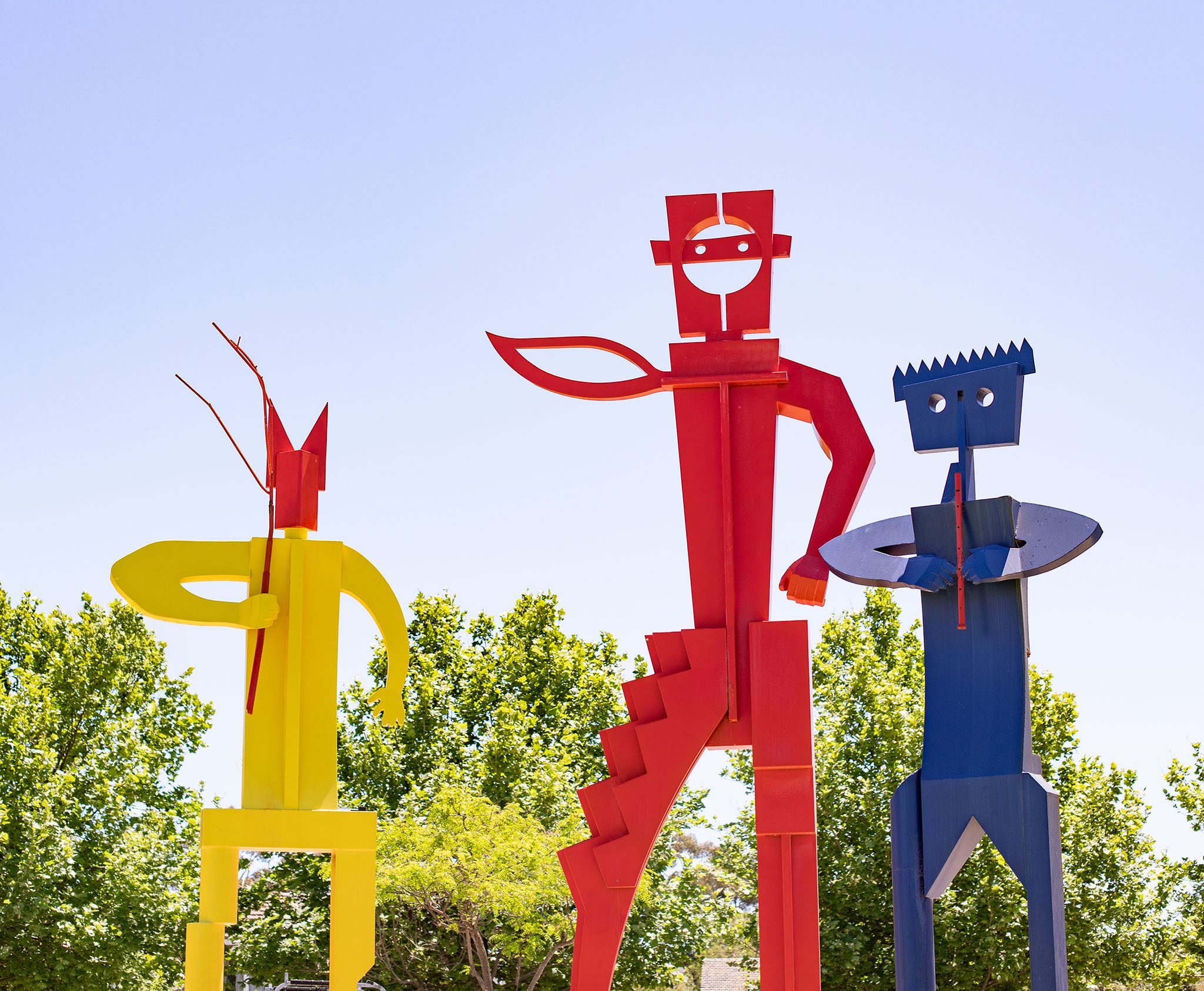
    Colourful statues on the CCGS Claremont campus

    Strategic Plan

  • Guiding Statements

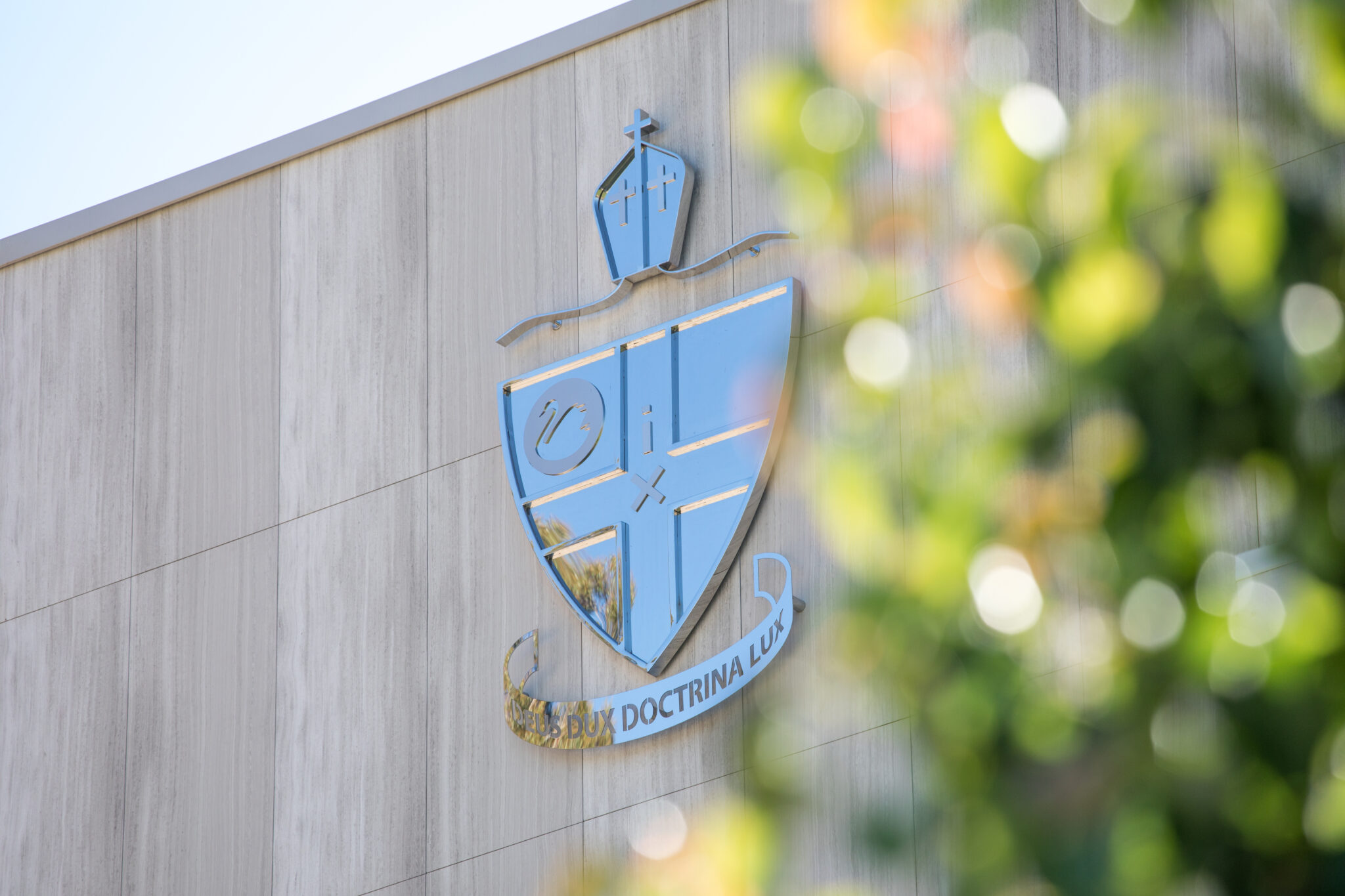
    School crest on the Preparatory School building

    Guiding Statements